1,200
Bytes Send
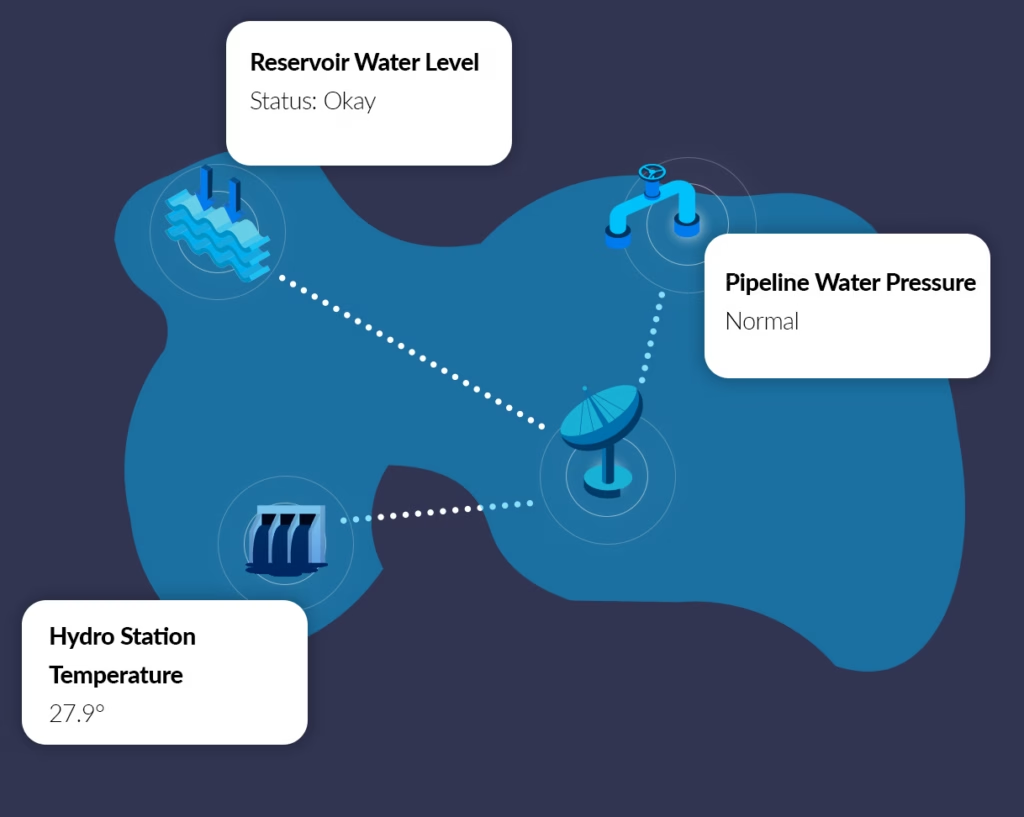
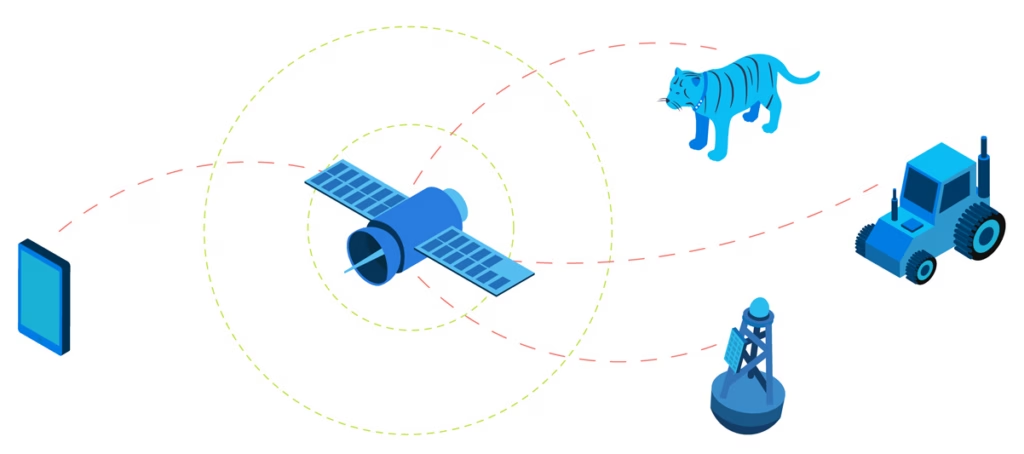
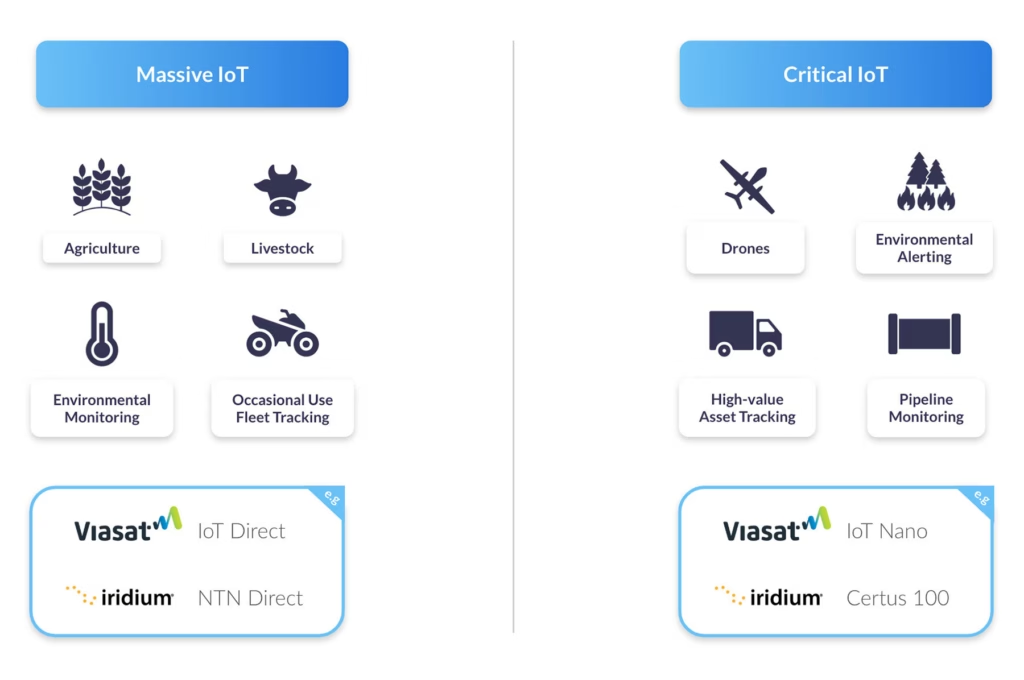
Viasat NB-NTN is a two way satellite IoT service built on NB-IoT standards. It’s an efficient and economical way of connecting massive numbers of devices that send very small data packets, making ideal for large-scale IoT deployments in sectors such as Utilities, Agriculture, Asset Tracking, and Environmental Monitoring.
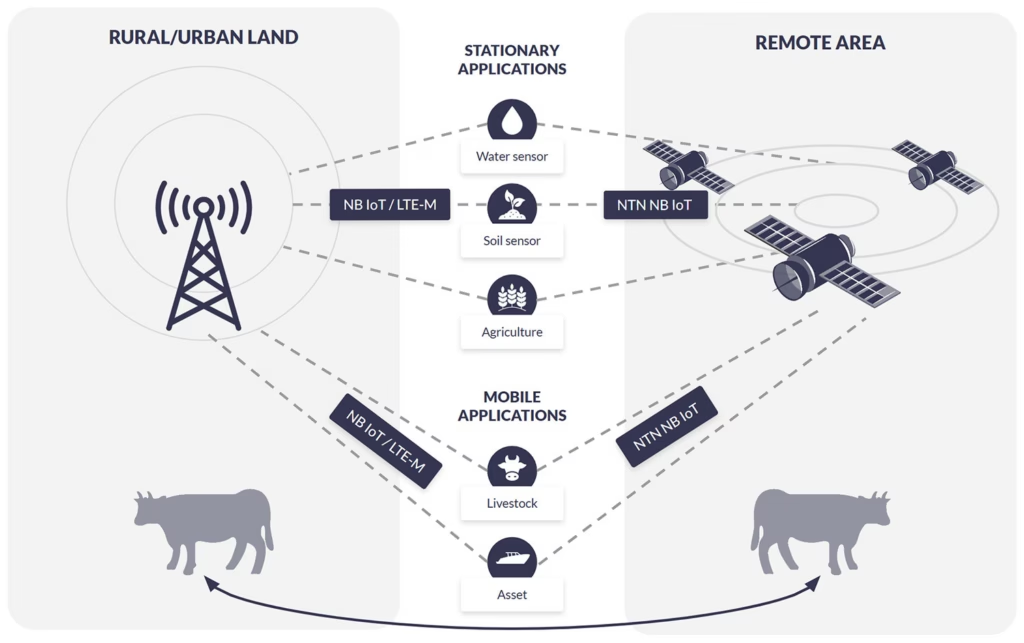
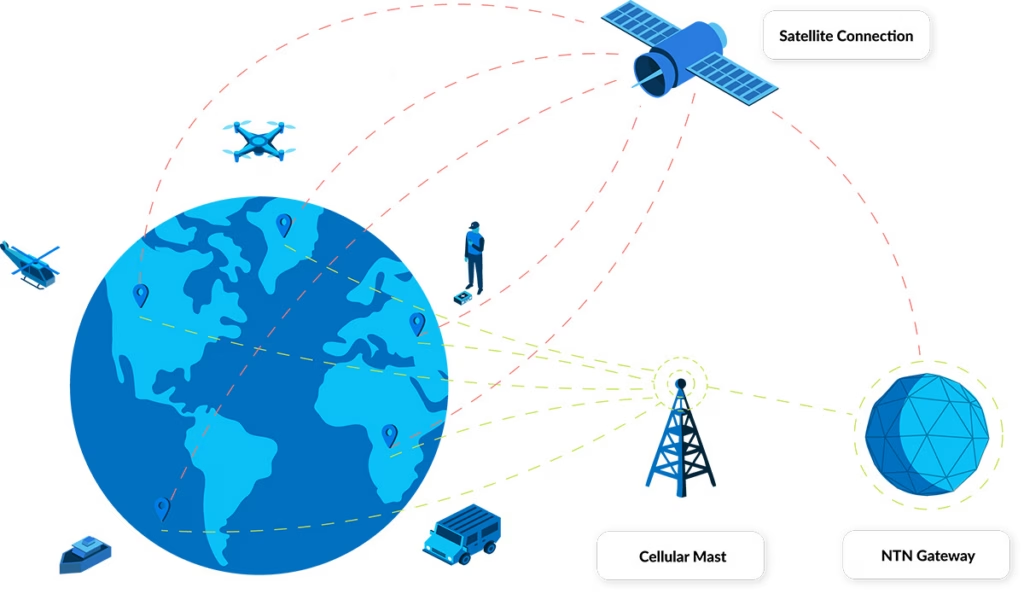
NB-NTN combines satellite and cellular roaming for seamless connectivity and supports both IP and Non-IP messaging. Designed for ultra-low power consumption, NB-NTN is best suited to off-grid applications where conserving battery life is critical.
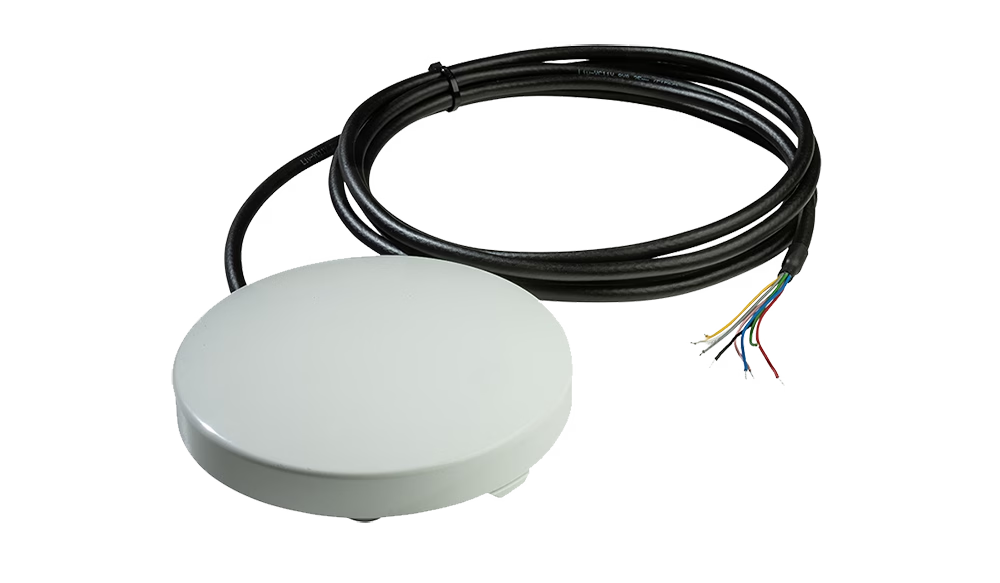
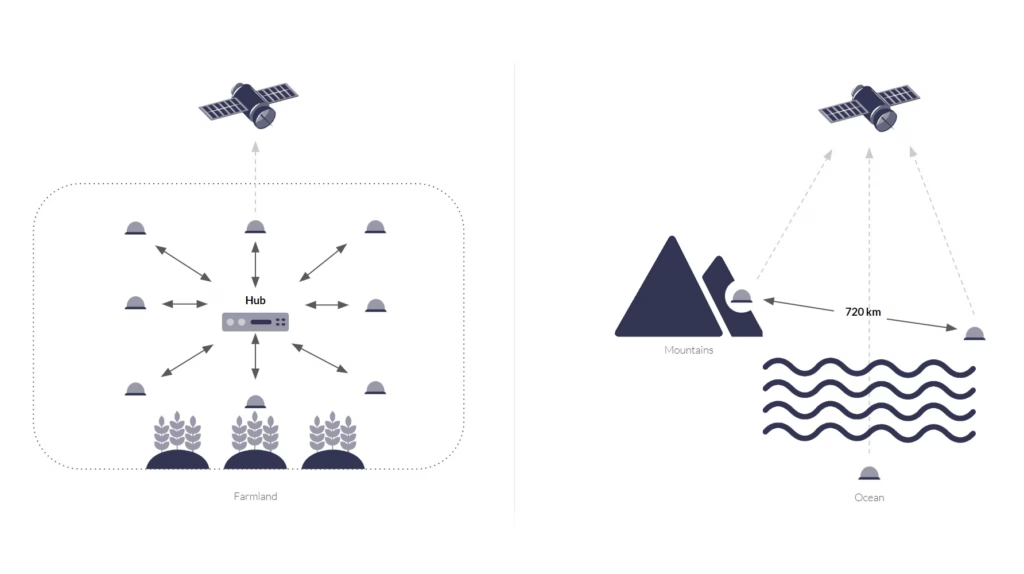
For off‑grid deployments where widely dispersed sensors lie beyond the reach of terrestrial networks, RockBLOCK RTU functions as a compact, low power micro‑data logger, capturing and forwarding your sensor data to the cloud.
RockBLOCK RTU has a choice of connections: cellular NB-IoT, NTN NB-IoT (utilizing Viasat NB-NTN), or Iridium Short Burst Data (SBD). Choose NB-NTN for very small data packets, delivered periodically, and SBD for more frequent transmissions, and global coverage.
Easily deployed wherever there’s a clear view of the sky, RockBLOCK RTU integrates seamlessly with Ground Control’s Cloudloop platform for real time visibility and control.
View RockBLOCK RTU1,200
Bytes Send
Ultra Low
Power Consumption
10-60
Seconds Latency*
*MVNO scheduling could increase this to 2-5 mins
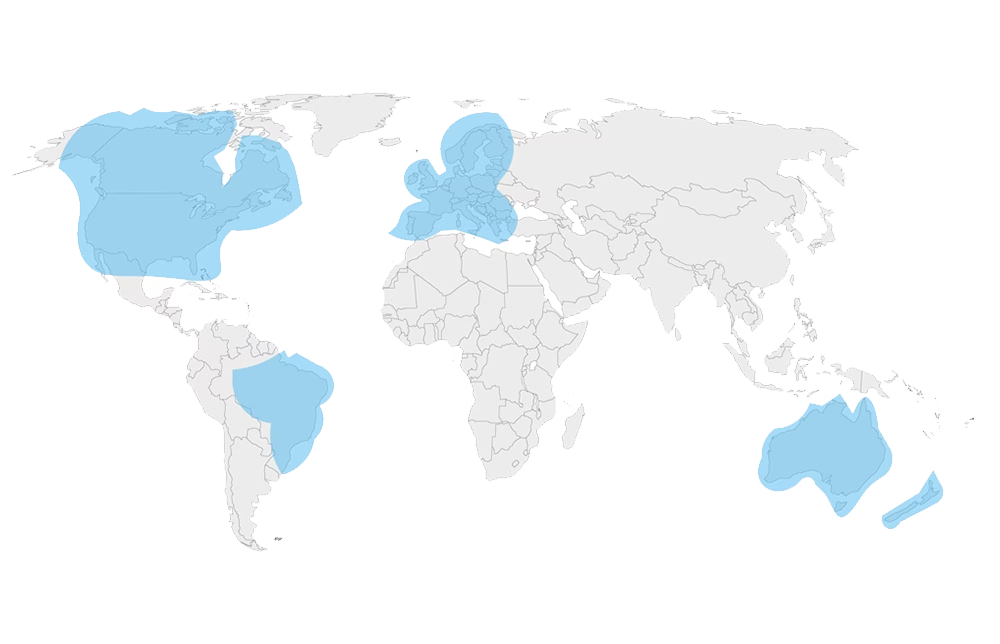
Viasat NB-NTN is a narrowband satellite IoT service providing near-global coverage via geostationary L-band satellites. The service will launch in early 2027 and will initially be available in the United States, Canada, Brazil, Australia, New Zealand, Brazil and Europe.
It is designed for massive IoT deployments that send very small data packets, making it highly efficient for applications in utilities, agriculture, asset tracking, and environmental monitoring. NB-NTN combines wide-area reach with low power operation, enabling devices to remain connected and efficiently sending data, even in the most remote and challenging environments.
Devices using NTN NB-IoT spend most of their time in deep sleep and only awaken for brief transmissions, enabling battery life measured in years for many use cases.
For very small, infrequent message payloads (e.g. tens of bytes per hour), NTN NB-IoT can be more economical than conventional satellite alternatives, filling the gap between terrestrial NB-IoT and heavier satellite services.
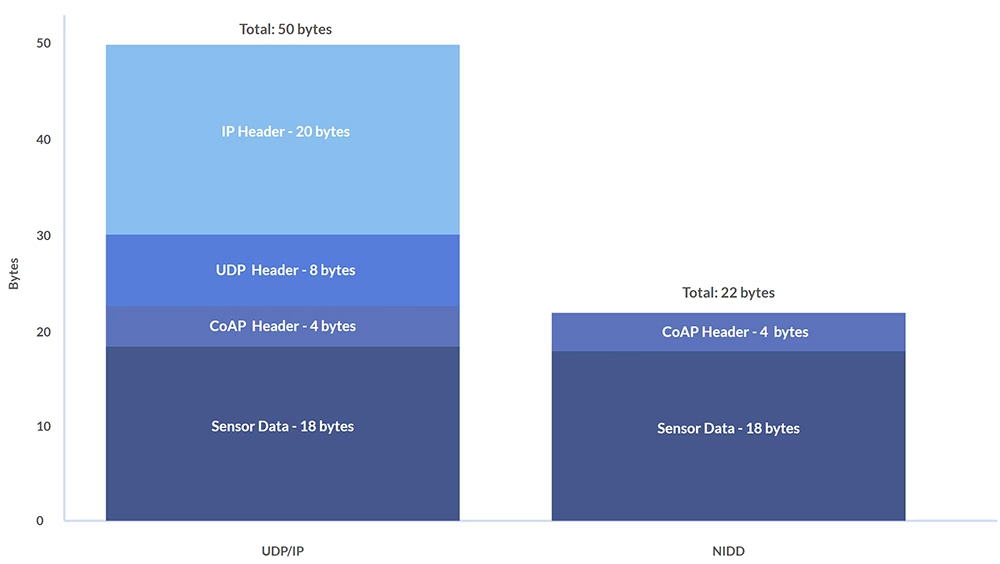
Because NTN NB-IoT uses the same underlying NB-IoT standard and supports Non-IP Data Delivery (NIDD), devices and systems built for terrestrial NB-IoT can more easily adapt or fail over into satellite connectivity.
NTN NB-IoT enables connectivity where terrestrial cellular networks are unavailable or unreliable (e.g. remote, rural, or off-grid locations), offering a fallback path for devices in challenging environments.
It’s tricky to compare airtime services because so much depends on how much data you need to send, but as a rough guide, we’ve put together the following comparison points. Get in touch if you’d like any help deciding what will work best for you.
| Service | NTN NB-IoT* | Cellular NB-IoT | Proprietary Satellite IoT** |
|---|---|---|---|
| Max. Practical Payload | 1,200 bytes | 1,400 – 1,600 bytes | 16,000 bytes |
| Min. Practical Payload | 10-30 bytes | 30-50 bytes | 10 bytes |
| Latency | Medium (10 – 60s); MVNO scheduling could increase this to 2 – 5 mins) | Low (1 – 10s) | Medium (c. 15-60s) |
| Coverage | United States, Canada, Brazil, Australia, New Zealand and select European markets | Where supported by regional MNOs, and there is terrestrial infrastructure | Global, exc. Polar regions |
| Cost-Optimized Monthly Data Volume | < 50 KB | < 5 MB | < 1 MB |
*Based on Viasat NB-NTN | **Based on Viasat IoT Nano
Viasat’s NB-NTN service is opening up exciting possibilities for connecting devices beyond the limits of terrestrial networks. While coverage is currently limited and the technology is still evolving, now is the perfect time to explore how it could fit into your IoT strategy.
Integrating NB-NTN isn’t as simple as plugging into an existing NB-IoT system. With smaller message sizes and options like Non-IP Data Delivery (NIDD), you may need to rethink how your data is structured and transmitted. That’s where our team comes in.
Talk to us today to understand the current state of the technology, explore potential use cases, and start planning for when and where NB-NTN makes the most sense for your business.
Just complete the form or email hello@groundcontrol.com, and we’ll come back to you within one working day.